MARIOLOGY

And the wine failing, the mother of Jesus saith to him:
They have no wine. And Jesus saith to her: Woman, what is
that to me and to thee? My hour is not yet come. His mother saith
to the waiters: Whatsoever he shall say to you, do ye.
John 2, 3-5
My Explications of the Patristic Texts
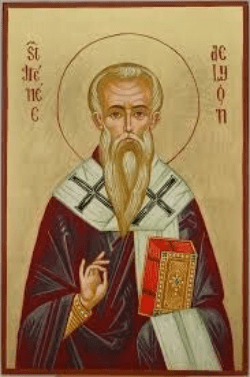
Irenaeus of Lyons (A.D. 180-189)
Against Heresies, V:19,1
“For as Eve was seduced by the word of an angel to flee from God, having rebelled against His Word, so Mary by the word of an angel received the glad tidings that she would bear God by obeying his Word. The former was seduced to disobey God, but the latter was persuaded to obey God so that the Virgin Mary might become the advocate of the virgin Eve. As the human race was subjected to death through [the act of] a virgin, so it was saved by a virgin.”
Irenaeus theologically compares the figures of Eve and Mary in the biblical narrative, highlighting their distinct roles regarding disobedience and obedience to God’s will.
He begins by establishing a contrast between Eve and Mary. Eve, the first woman created in the Genesis account, is depicted as being led astray by the persuasive words of a fallen angel (Satan). This encounter leads her to disobey God’s command, resulting in sin and death entering the world—a pivotal moment known as the “original sin.” In contrast, Mary, the mother of Jesus, receives a message from the angel Gabriel announcing that she will conceive the Son of God. This moment is framed positively, emphasizing her willingness to accept God’s plan of salvation.
The author underscores the nature of choice faced by both women. Eve’s decision to disobey God contrasts sharply with Mary’s unwavering faith and obedience. Mary is portrayed as an exemplar of compliance with divine will, embracing her role with grace and trust in God.
The narrative carries significant theological weight. Eve’s act of disobedience is associated with the introduction of sin into humanity, while Mary’s acceptance is seen as a pivotal moment in the story of redemption. The text posits that Mary’s obedience counteracts Eve’s disobedience, positioning her as a figure through whose faith the grace of redemption is offered to humanity.
Irenaeus concludes with a profound theological insight that both humanity’s fall and salvation involve virginity. Eve, the first to sin, and Mary, the one through whom Jesus enters the world, embody key elements of the human experience regarding sin and redemption. Mary’s virginity and acceptance of God’s will are presented as how the curse of death is lifted, suggesting a restoration of the relationship between humanity and God.
Overall, the text highlights the significant theological contrasts between Eve and Mary, emphasizing themes of choice, obedience, and the overarching narrative of sin and redemption within the biblical context.
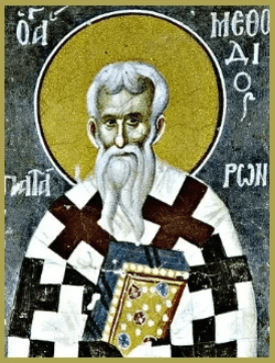
Methodius of Olympus (A.D. 305)
Oration on Simeon and Anna, 14
“Hail to you forever, Virgin Mother of God, our unceasing joy, for to you do I turn again. You are the beginning of our feast, its middle and end; the pearl of great price that belongs to the kingdom; the fat of every victim, the living altar of the Bread of Life [Jesus]. Hail, you treasure of the love of God. Hail, you fount of the Son’s love for man. . . . You gleamed, sweet gift-bestowing Mother, with the light of the sun; you gleamed with the insupportable fires of a most fervent charity, bringing forth in the end that which was conceived of you . . . making manifest the mystery hidden and unspeakable, the invisible Son of the Father—the Prince of Peace, who marvelously showed himself as less than all littleness… Therefore, we pray [ask] you, the most excellent among women, who glories in the confidence of your maternal honors, that you would unceasingly keep us in remembrance. O holy Mother of God, remember us, I say, who make our boast in you, and who in august hymns celebrate the memory, which will ever live, and never fade away.”
The text is a poetic and devotional tribute to the Virgin Mary, regarded as the Mother of God in Christianity. It emphasizes her significance in the spiritual life of believers and her role in the divine plan of salvation.
The opening lines praise Mary as the “Virgin Mother of God” and refer to her as an “unceasing joy.” This establishes her as a vital figure in the Christian faith, embodying joy and comfort for the faithful. The phrases “the beginning of our feast, its middle, and end” suggest that Mary is central to the Christian experience and worship. She not only initiates but also sustains and completes the celebration of faith.
Further, the text describes her as “the pearl of great price” and “the fat of every victim.” These metaphors indicate that she possesses immense spiritual worth and vital nourishment—not just physically but as an intermediary source of grace and sustenance for believers. By calling Mary “the living altar of the Bread of Life,” the text highlights her unique position in the incarnation of Christ. This reflects the belief in her mediatory role in bringing Jesus into the world, serving as a bridge between humanity and divinity.
The description of Mary as a “treasure of the love of God” and a “fount of the Son’s love for man” underscores her intimate connection with both God the Father and Jesus Christ and her role in distributing divine love to humanity. The passage also discusses the mystery of the incarnation, referring to the “invisible Son of the Father” and “Prince of Peace.” This points to the belief that Jesus, though divine, took on human form through Mary, demonstrating humility and accessibility.
The text includes a plea for Mary’s remembrance and intercessory support. The desire for her to “unceasingly keep us in remembrance” indicates a longing for her protection and guidance. The closing lines affirm the perpetual nature of Mary’s memory and honor within the community of believers. The mention of “august hymns” suggests that her significance is celebrated through veneration and song, ensuring that her legacy endures through time.
Overall, the text serves as an ode to Mary, reflecting theological beliefs about her importance in the Christian faith, her attributes, and her enduring connection with the faithful. It invites the reader to recognize and cherish this relationship, calling upon her as a source of intercession, joy, and divine love.
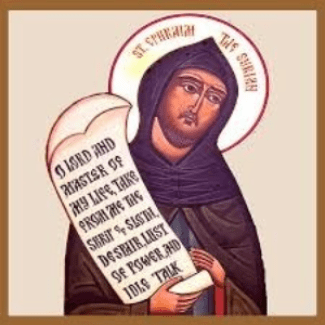
Ephraem of Syria (A.D. 370)
Oratio IV ad Deiparam
“0 Blessed Lady, most holy Mother of God, full of grace,
inexhaustible ocean of the intimate divine liberality and gifts of God,
after the Lord of all, the Blessed Trinity, you are Lady of all;
after the Paraclete, you are the new Consoler of all;
and after the Mediator, you are the Mediatrix for the entire world.
Behold my faith and my desire inspired by heaven;
do not despise me although unworthy,
neither let the ugliness of my sins suspend the immensity of your mercy,
0 Mother of God, 0 name which surpasses all my desire! “
This text is a prayer or supplication addressed to the Blessed Virgin Mary, emphasizing her role and significance within early Christian theology.
Ephraem opens with a direct address to Mary, calling her “Blessed Lady” and “most holy Mother of God.” This establishes her venerable status and highlights her divine motherhood, a central Christian tenet. The phrase “full of grace” acknowledges Mary’s unique grace and favor from God, suggesting that she embodies divine generosity and God’s gifts. This is a common theme in Marian prayers.
The prayer positions Mary in relation to the Holy Trinity and other divine figures. She’s described as: “Lady of all,” indicating her elevated status after God; “New Consoler of all,” suggesting that she provides comfort and support to believers, similar to the Holy Spirit (the Paraclete); “Mediatrix for the entire world,” meaning she has an intercessory role, bridging humanity and God, particularly in prayer and supplication.
Ephraem expresses a heartfelt faith and desire to connect with the divine through Mary. There’s an acknowledgment of personal unworthiness, which is a common theme in prayers, reflecting humility before God and the saints. The plea not to let the speaker’s sins hinder Mary’s intercession emphasizes the theme of mercy and suggests a belief in Mary’s compassion and power to transcend human fallibility.
The closing lines express a deep yearning for Mary’s intercession, underscoring her unique and unparalleled significance in the speaker’s spiritual life. The repetition of “0 Mother of God” as a name that surpasses all desire highlights a profound love and reverence for her.
Overall, this text encapsulates core beliefs about Mary’s role in the Christian faith, emphasizing her position as an intercessor, source of comfort, and embodiment of divine grace.
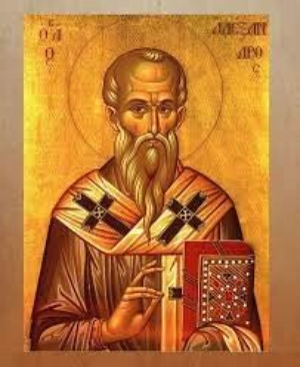
Athanasius of Alexandria (A.D. 328-73)
A Prayer to Mary
“It is becoming for you, O Mary, to be mindful of us as you stand near Him who bestowed upon you all graces, for you are the Mother of God and our Queen. Come to our aid for the sake of the King, the Lord God and Master Who was born of you. For this reason, you are called “full of grace.” Be mindful of us, most holy Virgin, and bestow on us gifts from the riches of your graces, O Virgin, full of grace.”
The text is a poignant invocation directed toward Mary, the Mother of God, expressing deep reverence and seeking her intercession. The use of “O Mary” immediately establishes a tone of familiarity and devotion. It emphasizes the personal relationship believers can have with her as a spiritual figure. The request for Mary to be “mindful of us” indicates a desire for her attention and care. It reflects the belief that Mary, in her closeness to God, has the ability to intercede for those who call upon her.
The phrase “who bestowed upon you all graces” highlights Mary’s unique status in Christian theology. It suggests that she has received special blessings and a high degree of favor from God, which she can share with humanity. Referring to Mary as the “Mother of God” carries profound theological significance, affirming her role in the incarnation of Christ. The title “Queen” suggests her exalted status and powerful intercessory role, symbolizing a motherly authority in the kingdom of God. The plea for help “for the sake of the King, the Lord God, and Master” emphasizes that the request is made through the authority of Jesus Christ, underlining the connection between Mary and her Son.
The title “full of grace,” which refers to Mary, reinforces her purity and holiness. It acknowledges her unique role among the saints and her deep connection to God’s grace, which allows her to merit graces for us less worthy by her friendship with God. The text closes with a supplication for Mary to “bestow on us gifts from the riches of your graces.” This reflects a faith in the abundance of divine gifts available through Mary’s intercession, emphasizing the belief in her generous nature.
Overall, the text expresses deep veneration for Mary, recognizing her as an intermediary between God and humanity while also affirming her grace and the riches that come from her closeness to God. It’s a beautiful articulation of devotion, trust, and the hope for divine assistance through a revered spiritual mother.
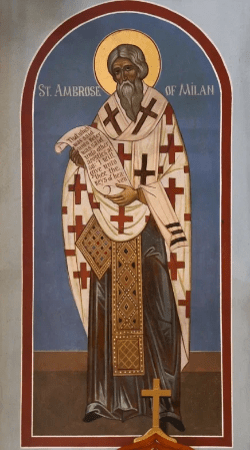
Ambrose of Milan (A.D. 387, 390)
De Mysteriis III, 13
Epistle 49, 2, To Sabinus
“She engendered redemption for humanity; she was carrying, in her womb, the remission of sins… Mary was alone when addressed by the Angel, alone when the Holy Ghost came upon her, and the power of the Highest overshadowed her. She was alone when she effected the world’s salvation, and conceived the Redemption of the universe.”
The text profoundly reflects on Mary, often revered in Christian theology as the mother of Jesus Christ. The choice of words underscores her pivotal role in the concept of salvation and redemption for humanity.
In De Mysteriis 3, St. Ambrose discusses the belief that the Virgin Mary played a central role in bringing redemption to humanity. He emphasizes her carrying the remission of sins in her womb, highlighting her significance in the economy of salvation as the bearer of our Lord and Savior. In a similar thematic vein, His Epistle to Sabinus describes the pivotal moments in Mary’s life, emphasizing the solitude of her experiences. Ambrose points out her unique role in bringing about the salvation and redemption of the world, underscoring her extraordinary significance in the Christian faith. The repeated emphasis on Mary’s aloneness underscores the magnitude and solemnity of these events.
The statement “She engendered redemption for humanity” identifies Mary as crucial in the redemption process. The word “engendered” suggests that she not only gave birth to Jesus but also facilitated the opportunity for humanity’s spiritual salvation through his life and sacrifice. “She was carrying, in her womb, the remission of sins” emphasizes Mary’s pregnancy, which symbolizes the arrival of Jesus, considered by Christians to be the embodiment of forgiveness and salvation from sin. It highlights the significance of her physical and spiritual mission.
“Mary was alone when addressed by the Angel” implies a sense of isolation during a momentous occasion—the Annunciation, when the Angel Gabriel informed her of her role as the mother of Jesus. Her solitude suggests a personal and intimate encounter with the divine, emphasizing her individual acceptance of this extraordinary calling. “Alone when the Holy Ghost came upon her” indicates the moment of conception, where the Holy Spirit is said to have descended upon Mary, marking a key theological point in Christian belief regarding the Incarnation. The mention of her being “alone” reiterates the personal nature of this divine experience.
The phrase “The power of the Highest overshadowed her” continues to explore the theme of divine intervention in Mary’s life. “The power of the Highest” refers to God’s omnipotent presence, reinforcing the sacred nature of what is happening to her. “She was alone when she effected the salvation of the world” suggests that, despite the monumental nature of her role, Mary’s journey was ultimately solitary. It acknowledges her personal sacrifice and commitment to fulfilling her divine purpose. “Conceived the Redemption of the Universe” is a broadening from humanity to the entire universe, indicating the cosmic significance of Jesus’ birth. It emphasizes that her role wasn’t merely personal but had universal implications.
In summary, the text portrays Mary as a solitary yet profoundly vital figure in the story of salvation. It highlights themes of isolation, divine intervention, and the immense significance of her role in the spiritual redemption of humanity and the universe.
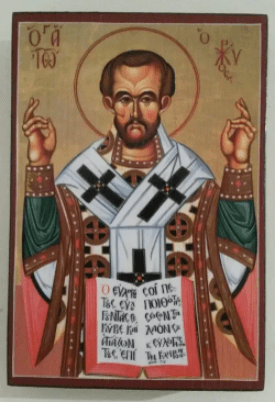
John Chrysostom (d.407)
A Prayer to Mary
“Hail, O Mother! Virgin, heaven, throne, glory of our Church, its foundation and ornament. Earnestly pray for us to Jesus, your Son, and Our Lord, that through your intercession, we may have mercy on the day of judgment. Pray that we may receive all those good things reserved for those who love God. Through the grace and favor of Our Lord, Jesus Christ, to Whom, with the Father and the Holy Spirit, be power, honor, and glory, now and forever. Amen”
The text is a prayer that addresses the Virgin Mary, reflecting deep reverence and devotion. The invocation of Mary as “Mother,” “Virgin,” and “heaven” emphasizes her unique position in Christianity as the mother of Jesus Christ and a figure of purity and divine grace. Describing her as the “glory of our Church, its foundation and ornament” recognizes her importance in the Christian faith, portraying her as integral to the Church’s identity and beauty.
The prayer asks Mary to intercede on behalf of the faithful, specifically requesting mercy on the day of judgment. This reflects a belief in the power of intercession—where Mary’s prayers to her Son can help believers receive God’s mercy. There is a plea for the faithful to receive “all those good things reserved for those who love God,” which underscores the hope of salvation and blessings from a loving relationship with God. The prayer concludes with a doxology acknowledging the Holy Trinity—Jesus Christ, the Father, and the Holy Spirit—attributing power, honor, and glory to them. This reinforces central Christian beliefs about God’s nature.
The text captures the essence of Marian devotion, the hope for divine mercy, and the importance of community in faith, all within a framework of reverence for God’s triune nature. The call for prayerful intercession is personal and communal, reflecting a deep longing for divine grace.

Augustine of Hippo (d. A.D. 430)
A Prayer to Mary
“Blessed Virgin Mary, who can worthily repay you with praise and thanksgiving for rescuing a fallen world by your generous consent? What songs of praise can our weak human nature offer in your honor, since it was through you that it has found the way to salvation? Accept then such poor thanks as we have to offer, unequal though they be to your merits. Receive our gratitude and obtain by your prayers the forgiveness of our sins. Take our prayers into the sanctuary of heaven and enable them to make our peace with God. May the sins we repentantly bring before Almighty God through you be forgiven. May what we beg with confidence be granted through you. Accept our offering and grant our request; obtain pardon for what we fear, for you are the sole hope of sinners. We hope to obtain the pardon of our sins through you. Blessed Lady, in you is our hope of reward. Holy Mary, help those who are miserable, strengthen those who are discouraged, comfort those who are sorrowful, pray for your people, plead for the clergy, intercede for all women consecrated to God. May all who venerate you experience your assistance and protection. Be ready to aid us when we pray, and bring back to us the answers to our prayers. Make it your continual concern to pray for the People of God, for you were blessed by God and were made worthy to bear the Redeemer of the world, who lives and reigns forever.”
The text is a prayer addressed to the Blessed Virgin Mary, highlighting her vital role in salvation and the deep reverence afforded to her by the faithful. Augustine begins by acknowledging Mary’s unique contribution to the world as the mother of Jesus, emphasizing her “generous consent” that allowed for the incarnation and, subsequently, the salvation of humanity.
The prayer reflects on the inadequacy of human praise compared to Mary’s significance, acknowledging that any thanks offered are insufficient in light of her virtues and the grace she brings. It conveys a sense of humility and recognizes human limitations when it comes to expressing gratitude.
The text also portrays Mary as an intercessor who can take the faithful’s prayers to heaven, suggesting a belief in her ability to mediate between humanity and God. The plea for forgiveness for sins demonstrates an understanding of human fallibility and the necessity of divine mercy, which Mary’s intercession is believed to facilitate.
Additionally, the prayer expresses hope for those in distress, praying for varying groups such as the miserable, discouraged, and sorrowful, indicating Mary’s role as a source of comfort and strength. This reflects a broader theological perspective that sees Mary not only as a figure of veneration but also as a compassionate mother figure who embodies the hope and solace of believers.
Lastly, the text concludes with a call for Mary to continue advocating for the People of God, recognizing her as a pivotal figure in the faith who has God’s ear. The prayer encapsulates a deep reverence for Mary as a central intercessor and protector, emphasizing her importance in the spiritual journey of individuals and the ecclesia.
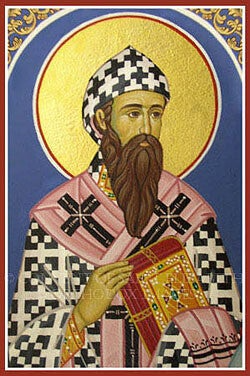
Cyril of Alexandria (d. A.D. 444)
A Prayer to Mary
“Hail, Mother and Virgin, Eternal Temple of the Godhead, Venerable Treasure of Creation, crown of virginity, support of the true faith, on which the Church is founded throughout the world. Mother of God, who contained the infinite God under your heart, whom no space can contain: through you, the most Holy Trinity is revealed, adored, and glorified, demons are vanquished, Satan cast down from heaven into hell, and our fallen nature again assumed into heaven. Through you, the human race, held captive in the bonds of idolatry, arrives at the knowledge of Truth. What more shall I say of you? Hail, through whom kings rule, through whom the Only-Begotten Son of God has become the Star of Light to those sitting in darkness and in the shadow of death. Amen.”
The text is a prayer or hymn that exalts the Virgin Mary, portraying her as a central figure in the Christian faith, especially within Catholicism and Eastern Orthodoxy.
The text begins with a series of honorific titles for Mary, emphasizing her dual role as both a mother (Mother of God) and a virgin (Eternal Temple of the Godhead). This highlights the belief in her perpetual virginity and her unique position in the divine plan. The reference to her as the “crown of virginity” and “support of the true faith” suggests that Mary is integral to the foundation of the Church and its teachings. It implies that her role strengthens and upholds the Christian faith.
The phrase about Mary containing the “infinite God under your heart” refers to the Annunciation, when she conceived Jesus Christ. This underscores the mystery of the Incarnation, where God became man, and Mary’s unique part in that miracle. The text articulates how, through Mary, the Holy Trinity is revealed and worshipped. It indicates that her acceptance and role contribute significantly to the redemption of humanity, as she plays a part in the defeat of evil (demons vanquished, Satan cast down).
The line about the human race, held captive in idolatry, arriving at the knowledge of Truth through Mary reflects the belief that she leads people to a deeper understanding of God and the Christian faith, promoting the idea of her as an intercessor and guide. The concluding line highlights Mary as a source of light and hope. Referencing the “Only-Begotten Son of God” and calling him a “Star of Light” connects her to Jesus’ message of salvation, illuminating the path for those lost in sin and darkness.
Overall, the text venerates Mary, reinforcing her significance in Christianity as a bridge between humanity and the divine and her active role in the salvation narrative. It reflects deep theological beliefs about her purity, motherhood, and the implications of her acceptance of God’s will.
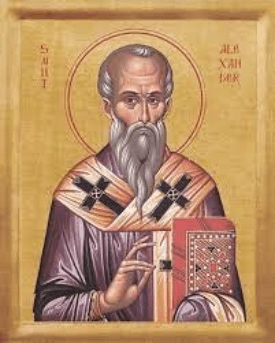
Proclus of Constantinople (ante A.D. 446)
Homily 1
“The Virgin’s festival (parthenike panegyris) incites our tongue today to herald her praise …handmaid and Mother, Virgin, and heaven, the only bridge of God to men, the awful loom of the Incarnation, in which by some unspeakable way the garment of that union was woven, of whom the weaver is the Holy Ghost; and the spinner the overshadowing from on high; the wool the ancient fleece of Adam; the woof the undefiled flesh from the virgin, the weaver’s shuttle the immense grace of Him who brought it about; the artificer the Word gliding through the hearing.”
The text celebrates the Virgin Mary, referring to her as an important figure in the Christian tradition, particularly in the context of the Incarnation—the belief that God became human in the person of Jesus Christ.
The Virgin’s Festival (Parthenike Panegyris) likely refers to a liturgical celebration or feast dedicated to the Virgin Mary, where her unique role in Christianity is honored and praised. The speaker desires to proclaim Mary’s virtues. She is described with multiple titles, emphasizing her significance and revered status. The dual roles of “Handmaid” and “Mother” highlight Mary’s humility and obedience (Handmaid) and her maternal position in bearing Jesus (Mother).
This metaphor (“Bridge of God to Men”) illustrates Mary’s role as the intermediary between humanity and God, facilitating the divine connection through her conception of Jesus. The “loom” imagery suggests the intricate and holy process of the Incarnation. The use of “awful” here conveys a sense of reverence for this profound event.” Unspeakable Way” indicates that the nature of the Incarnation is beyond human comprehension, emphasizing its mystery.
Proclus employs a weaving metaphor. “Weaver” refers to the Holy Ghost, signifying divine involvement in the process. “Spinner” refers to the overshadowing from above, suggesting God’s presence in the conception. The “ancient fleece of Adam” (“Wool”) represents humanity’s original state, connecting all people to Mary. “Woof, ” the “undefiled flesh from the virgin,” refers to Jesus’ human nature, emphasizing his purity and uniqueness. The “Weaver’s Shuttle” refers to the immense grace of God that allows this union, symbolizing divine action and creativity in creating Jesus. “Artificer” (the Word or Logos) represents Christ himself, showing how he is involved in this divine plan.
The text is a rich theological reflection on the Virgin Mary’s centrality to the Christian faith, celebrating her role in the Incarnation with vivid imagery and intricate metaphors.
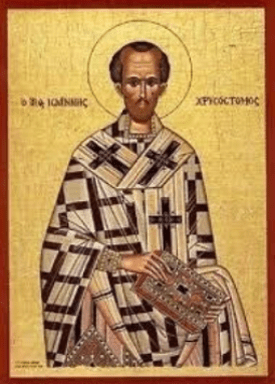
Peter Chrysologus (ante A.D. 450)
Sermon 140
“But let us hearken to the Angel’s words. Being come in, he said unto her: Hail, full of grace! The Lord is with thee! These words are not a mere salutation; they convey the heavenly gift. Hail! That is, Take, O Mary, the grace I bring thee; fear not; this is not the work of nature. Full of Grace! That is, Thou art not in grace as others are; thou art to be filled with it. The Lord is with thee! What means this, but that he is coming to thee not merely to visit thee, but to enter within thee by the new mystery of becoming thy Child? Blessed art thou among women. How fittingly does he add these words! They imply that they who heretofore were mothers with the curse of Eve upon them, now have the Blessed Mary as their joy, honor, and type: and whereas Eve was, by nature, the mother of children of death, Mary is, by grace, the mother of children of life… She soon realized that she was receiving within herself the heavenly Judge;… It was by soothing motion and holy affection that God transformed the virgin into a mother for Himself and made His handmaid into a parent… She gives the matter careful thought… Yet this young maiden takes Him into an inner chamber of repose, her bosom. She receives Him and delights Him with her hospitality. Thus, she gives Him a dwelling that she may request in payment and get as the price for the use of her holy womb peace for the earth, glory for heaven, salvation for the lost, life for the dead… even union of God Himself with man.”
Peter Chrysolgus acknowledges Mary’s significant mediatory role in the world’s salvation as she willingly accepts to bring the Savior into the world. By consenting to be the mother of Jesus, Mary plays a crucial role in the divine plan of redemption. Accepting this role signifies her willingness to be a vessel for the incarnation of God’s son, Jesus Christ. In doing so, she becomes the means through which God’s saving grace enters the world.
The author affirms Mary demonstrates a profound example of faith and humility through her obedience and willingness to serve as the Mother of God. Her pivotal role in the Incarnation highlights her unique position as the one chosen to bear and nurture the Savior of the world. Mary’s “yes” to the Angel Gabriel’s message represents her cooperation with God’s plan for the salvation of humanity. In this way, Mary’s acceptance of her mediatory role signifies her active participation in bringing forth the source of humanity’s redemption.
Furthermore, Mary’s maternal role as the mother of Jesus positions her as a compassionate intercessor and advocate for all of humanity. Her maternal care, love, and intimate connection to Jesus underscore her mediatory role in the spiritual life of believers. Through her example and spiritual presence, Mary continues to bring people closer to her son, Jesus Christ, guiding them toward salvation and interceding on their behalf before God.
In essence, Mary’s pivotal role as the mother of Jesus and her acceptance of this profound responsibility mark her as a central figure in God’s plan for the redemption and salvation of the world. Her willingness to bring the Savior into the world and her ongoing mediatory role underscores the significant impact of her maternal and spiritual presence in the divine drama of salvation.
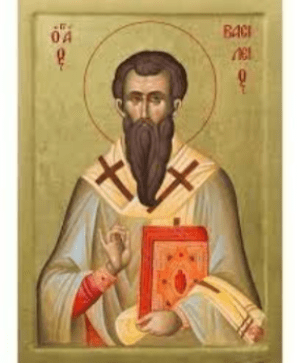
Basil of Seleucia (ante A.D. 459)
PG 85:452
“O Virgin all holy, he who has said of you all that is honorable and glorious has not sinned against the truth but remains unequal to your merit. Look down upon us from above and be propitious to us. Lead us in peace and having brought us without shame to the throne of judgment, grant us a place at the right hand of your Son, that we may borne off to heaven and sing with angels to the uncreated, consubstantial Holy Trinity. ”
The text is a prayer addressed to the Virgin Mary, asking for her intercession and protection. It acknowledges her honor and glory and asks for her guidance and grace to lead a peaceful life and to be worthy of salvation. The prayer also expresses the hope of being united with Jesus Christ in heaven and praises the Holy Trinity alongside the angels. It reflects a deep reverence for the Virgin Mary and a desire for her assistance in leading a virtuous life.
The prayer begins by acknowledging that while many may praise the Virgin Mary as honorable and glorious, these praises do not fully capture her true merit. This highlights her exceptional status and the limitations of human language in conveying divine attributes.
The phrase “Look down upon us from above” suggests a plea for her to intercede on behalf of the faithful. It conveys the belief that Mary has a special relationship with God and can act as a mediator between the faithful and the divine. The request for peace invokes a desire for tranquility and safety, particularly in the spiritual sense. The mention of being brought “without shame to the throne of judgment” speaks to the belief in a final judgment day where each soul is evaluated. This conveys a hope for mercy and a positive outcome. The prayer requests a place at the “right hand of your Son,” referring to Jesus Christ. This position of honor and closeness to God suggests the faithful’s longing for a deep spiritual connection and eternal companionship with the divine.
The concluding clause, “that we may be borne off to heaven and sing with angels,” encapsulates the ultimate aspiration of the faithful—to attain eternal life in heaven, joining the angels in worshiping God. The references to the “uncreated, consubstantial Trinity” reflect core Christian beliefs about the nature of God as a Trinity of Father, Son, and Holy Spirit, emphasizing the divine essence shared among them.
Overall, the text is a beautiful expression of faith, hope, and the desire for divine assistance and communion with God through the intercession of the Virgin Mary.
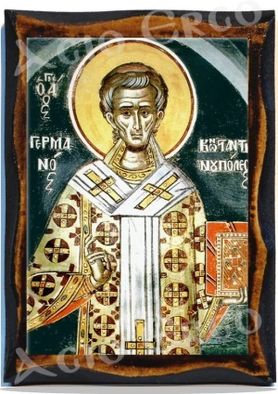
Germanus of Constantinople (ante A.D. 733)
Homily on the Liberation of Constantinople, 23
“Mary the Ever-Virgin — radiant with divine light and full of grace, mediatrix first through her supernatural birth and now because of the intercession of her maternal assistance — be crowned with never-ending blessings …seeking balance and fittingness in all things, we should make our way honestly, as sons of light.”
The text is a reverential address to Mary, the mother of Jesus. It acknowledges her as “Ever-Virgin” and emphasizes her divine qualities. It mentions her supernatural birth and the belief in her maternal assistance and blessings. The text also suggests seeking balance and honesty in life, encouraging approaching all things with integrity and likening individuals to “sons of light.” Overall, it expresses deep respect and honor for Mary while conveying a message of moral guidance.
The term “mediatrix” implies that Mary serves as a mediator between humanity and the divine, a connection established first through her miraculous conception of Jesus and continuing through her intercession in prayers. This reflects the belief that she advocates for and supports believers through her maternal care. The phrase “crowned with never-ending blessings” suggests that Mary is honored and bestowed with perpetual grace and favor, reinforcing her revered status in faith traditions.
The closing thoughts about “seeking balance and fittingness in all things” offer a call to live honestly and with moral integrity. This part encourages individuals to aspire to navigate their lives with righteousness and virtue, referring to them as “sons of light,” a biblical metaphor for those who follow a path of truth and goodness.
Overall, the text calls us to honor Mary while encouraging ethical living grounded in spiritual awareness and divine guidance.
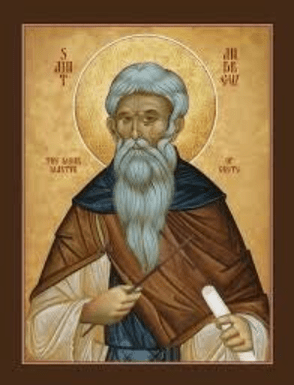
Andrew of Crete (ante A.D. 740)
Homilies, On The Nativity of Mary
“O, how marvelous it is! She acts as a mediatrix between God’s loftiness and the flesh’s lowliness and becomes Mother of the Creator… “Twas right, then, that the admirable Joachim and his spouse, Anna, inspired by divine thoughts, did obtain her as the fruit of their prayer; her, I say, the queen of nature, the first fruits of our race, whose birthday we celebrate, whose swaddling clothes we honor, and whom we venerate as the source of the restoration of our fallen race… “This is Mary the Theotokos, the common refuge of all Christians, the first to be liberated from the original fall of our first parents.”
In Homily 1, St. Andrew expresses wonder and awe at the Virgin Mary’s role, which mediates God’s greatness and humanity’s humble nature. The phrase “Mediatrix between God’s loftiness and the flesh’s lowliness” refers to her ability to connect the divine and earthly realms in the order of grace. Moreover, she is described as “the Mother of the Creator,” emphasizing her pivotal role in bearing and nurturing the Creator of all things. This passage reflects on the profound significance and wonder of Mary’s position in relation to both God and humanity as the Dispensatrix of grace.
In Homily 2, St. Andrew shows reverence for Mary’s parents, Joachim and Anna, who, through their divine inspiration, prayed and obtained their blessed daughter, referred to as the “queen of nature” and the “first fruits” of our race.
Homily 3 is a celebration of Mary’s birthday, the honor of her swaddling clothes, and her veneration as the source of restoring our fallen race. The excerpt emphasizes the significance of their daughter’s birth in the context of their faith and human lineage.
The text from Homily 4 refers to Mary, also known as the Theotokos [God-Bearer], as the common refuge of all Christians. It further states that she was the first to be liberated from the original fall of our first parents—an allusion to her immaculate conception. This highlights Mary’s significance in Christian theology and her role in the redemption of humanity.
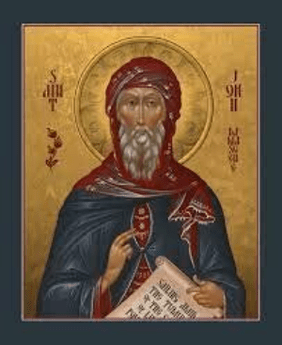
John Damascene (A.D. 749)
On the Dormition of Mary, Homily 2:16
“Through her, our reconciliation with Him is strengthened, peace and grace are given to us, men are the companions of angels, and we, who were in dishonor, are made the children of God. From her, we have plucked the fruit of life (grace). From her, we have received the seed of immortality. She is the channel of all our goods. In her, God became man, and man became God. What is more marvelous or more blessed? I approach the subject in fear and trembling. With Mary, the prophetess, O youthful souls, let us sound our musical instruments, mortifying our members on earth, for this is spiritual music.”
The text reflects on the profound role of Mary, the mother of Jesus, in the Christian faith in the first millennium.
John of Damascus suggests that Mary’s presence strengthens the connection between humanity and God. He implies that believers receive peace and grace through her, which is essential for spiritual life. The author highlights the transformation of individuals from a state of dishonor to being recognized as children of God. This signifies a shift from sinfulness to a dignified relationship with the Divine.
The text mentions receiving the “fruit of life” and “seed of immortality” through Mary. This symbolizes the grace and eternal life that believers attain through their faith in Jesus, who was born of Mary. She is described as the “channel of all our goods,” indicating that various blessings and gifts from God come through her intercession and role.
The phrase “In her, God became man, and man became God” encapsulates the mystery of the Incarnation – that Jesus, fully divine, became human through Mary. This union emphasizes the miraculous nature of this event and its significance for salvation.
The final lines suggest a call to action for the faithful, urging them to engage in spiritual practices that reflect humility and reverence, likening this to “spiritual music.” It emphasizes the importance of mortifying earthly desires in favor of spiritual growth.
Overall, the text celebrates Mary’s vital role in the Christian narrative and encourages believers to embrace their faith with wonder and humility.
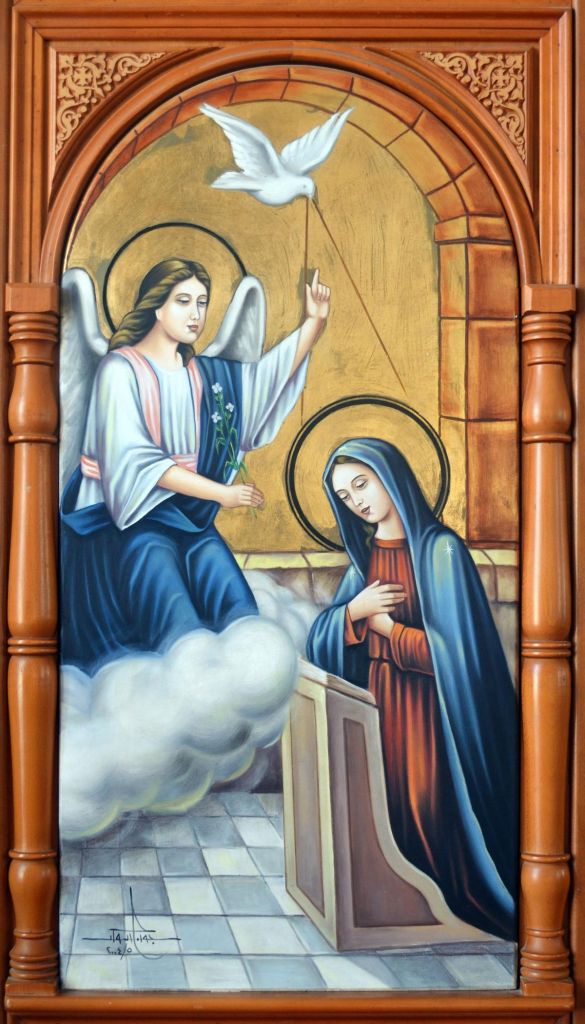
And Mary said:
Behold the handmaid of the Lord;
be it done to me according to thy word.
And the angel departed from her.
Luke 1, 38

AVE MARIA
 Catholicity
Leave a comment