
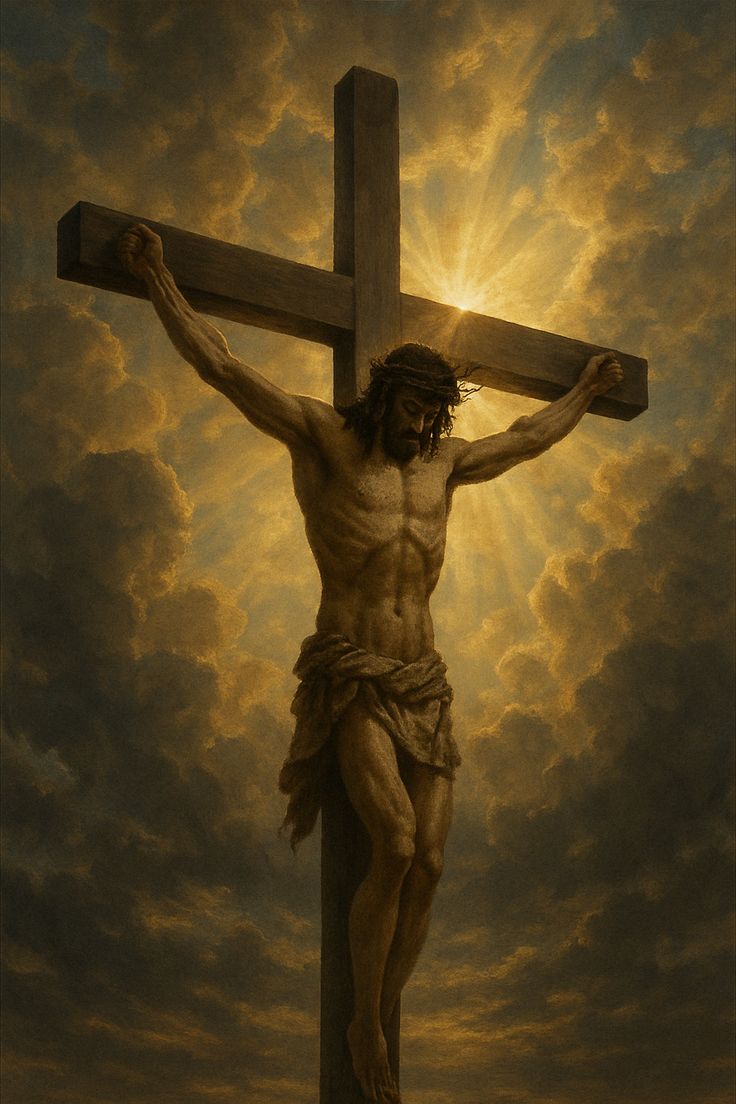
SALVATION
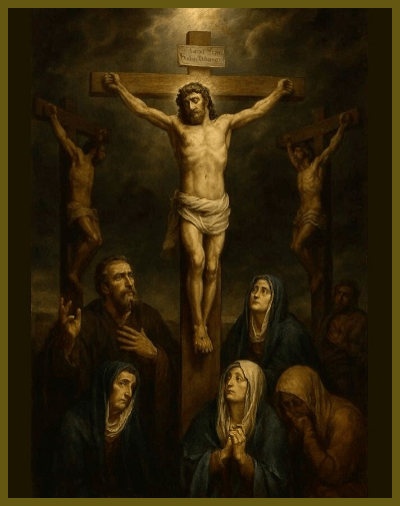
For by grace, you have been saved through faith, and this is not from you; it is the gift of God.
It is not from works so that no one may boast, for we are his handiwork, created in Christ Jesus
for the good works that God has prepared in advance, that we should live in them.
Ephesians 2:8-10
The passage from Ephesians 2:8-10 is part of a letter written by the Apostle Paul or a disciple of his to the early Christians in Ephesus, a significant city in the Roman Empire located in present-day Turkey. This letter, known as the Epistle to the Ephesians, addresses issues of faith, grace, and salvation. Historically, Ephesus was a major center of trade and culture, with a diverse population holding a range of religious beliefs. The early Christian community there faced challenges in a predominantly pagan society.
The author’s message emphasizes salvation by grace through faith rather than natural human effort, countering the prevailing view that equates righteousness with works and adherence to the Mosaic law This theological perspective was significant for the early church, promoting the idea that salvation is a divine gift accessible to all, regardless of their past or status, thus fostering a more inclusive community of believers united in Christ. The verses articulate a foundational Christian belief in God’s sovereignty over salvation and the call to perform good works in response to grace.

In Catholic theology, Ephesians 2:8-10 serves as a foundational text that highlights the interconnected themes of grace, faith, and works in the salvific process. The passage states that salvation is fundamentally a gift from God, emphasizing the Catholic doctrine of grace as an unmerited favor freely bestowed on humanity, independent of individual merit or achievement. This principle is crucial, as it aligns with the Catholic understanding that human beings cannot attain salvation solely through their own efforts or righteousness; it is God’s grace that both initiates and sustains the journey toward salvation.
The verses encourage believers to recognize that faith is an essential response to grace, suggesting that while salvation is a divine gift, it requires an active, willing acceptance. Moreover, the text affirms that believers are created for good works, which are not seen as a means to earn salvation but rather as a response to the grace received. These good works are understood to be part of a transformative relationship with God, illustrating that genuine faith naturally manifests in righteous actions. Thus, Ephesians 2:8-10 encapsulates the Catholic view that grace, faith, and works together reflect the holistic nature of salvation, inviting individuals into a deeper communion with God.
Faith is understood as an active, dynamic force that requires a personal relationship with God. It is through the sacraments, prayer, and the community of the Church that believers can nurture and express their faith. Catholic theology stresses that while good works are essential as a manifestation of one’s faith, they do not contribute to earning salvation. Instead, good works arise as a response to God’s love and grace, allowing believers to live out their faith and ‘work out’ their salvation through actions that serve others and reflect Gospel values. Ultimately, being saved through faith means recognizing that God’s grace initiates salvation, and that the believer’s faith is the means by which they accept and live out this divine gift in cooperation with God’s grace.

The text addresses the theological concept that salvation cannot be earned like a just wage through human effort or good deeds. The phrase “so that no one may boast” emphasizes that if salvation were based on works, individuals could take pride in their accomplishments and claim credit for their salvation. This notion challenges the belief that merit or personal achievements can secure one’s place in divine favor. Instead, the assertion underscores God’s grace as the sole means of salvation. It conveys a message of humility, suggesting that no one can rightfully claim superiority or exclusivity in their relationship with the divine by virtue of their actions. This perspective encourages reliance on faith and divine mercy rather than self-centered efforts, fostering a sense of community and equality among believers.
The phrase “his handiwork” in Ephesians 2:10 underscores the belief that humans are intentionally created by God, emphasizing that every individual has a specific purpose. This concept suggests that our existence is not random but part of a divine plan. The “good works” mentioned indicate that these purposes are aligned with actions that benefit the world and fulfill God’s intentions. The reference to good works also reflects the theological perspective that faith and actions are intertwined.
While faith is essential for salvation, it is through good works that this faith is expressed and completed with the aid of God’s actual graces. This connection underscores the belief that believers are not only called to have faith but are “prepared” to live out that faith through their actions. Therefore, the verse highlights the collaborative relationship between divine grace and human responsibility in the life of a believer. It encourages individuals to recognize their value as God’s creations and to actively participate in fulfilling the good works prepared for them.
EARLY SACRED TRADITION
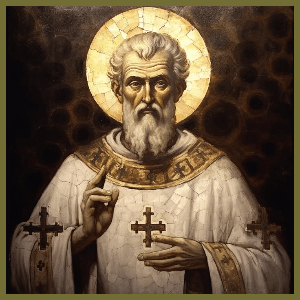
Clement of Rome (A.D. 98)
Epistle to the Corinthians, 32
“All these, therefore, were highly honoured, and made great, not for their own sake, or for their own works, or for the righteousness which they wrought, but through the operation of His will. And we, too, being called by His will in Christ Jesus, are not justified by ourselves, nor by our own wisdom, or understanding, or godliness, or works which we have wrought in holiness of heart; but by that faith through which, from the beginning, Almighty God has justified all men; to whom be glory for ever and ever. Amen.”
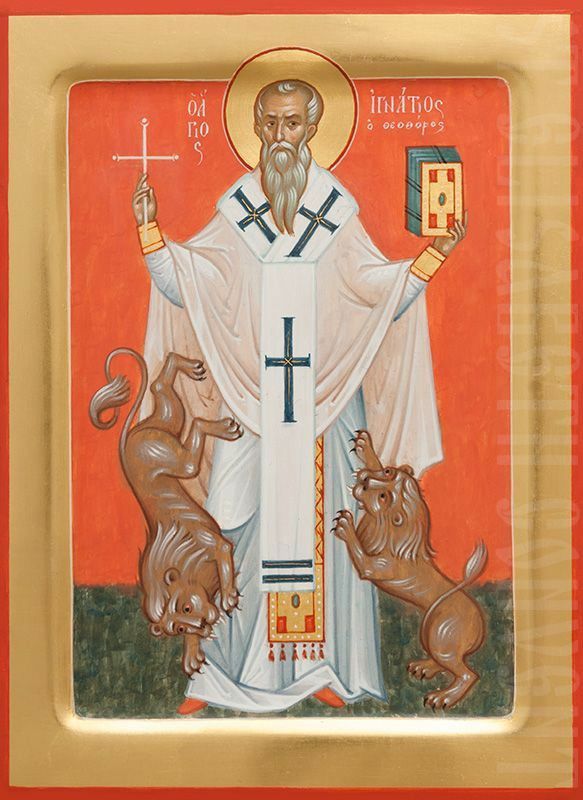
Ignatius of Antioch (A.D. 110)
To Polycarp, 1
“Now I beseech thee, by the grace with which thou art clothed, to add [speed] to thy course, and that thou ever pray for all men that they may be saved, and that thou demand things which are befitting, with all assiduity both of the flesh and spirit. Be studious of unity, than which nothing is more precious. Bear with all men, even as our Lord beareth with thee. Show patience with all men in love, as [indeed] thou doest. Be steadfast in prayer. Ask for more understanding than that which thou [already] hast. Be watchful, as possessing a spirit which sleepeth not. Speak with every man according to the will of God. Bear the infirmities of all men as a perfect athlete; for where the labor is great, the gain is also great.”

Polycarp,, 2 (A.D. 135)
To the Philippians
“But He who raised Him up from the dead will raise up us also, if we do His will, and walk in His commandments, and love what He loved, keeping ourselves from all unrighteousness, covetousness,
love of money, evil speaking, falsewitness; ‘not rendering evil for evil, or railing for railing,’ or blow for blow, or cursing for cursing, but being mindful of what the Lord said in His teaching: ‘Judge not, that ye be not judged; forgive, and it shall be forgiven unto you; be merciful, that ye may obtain mercy; with what measure ye mete, it shall be measured to you again; and once more, “Blessed are the poor, and those that are persecuted for righteousness’ sake, for theirs is the kingdom of God.’”

“Whatever you did to the least of my brothers, you did it to Me.”
Matthew 25:40,45

PAX VOBISCUM
 Catholicity
Leave a comment